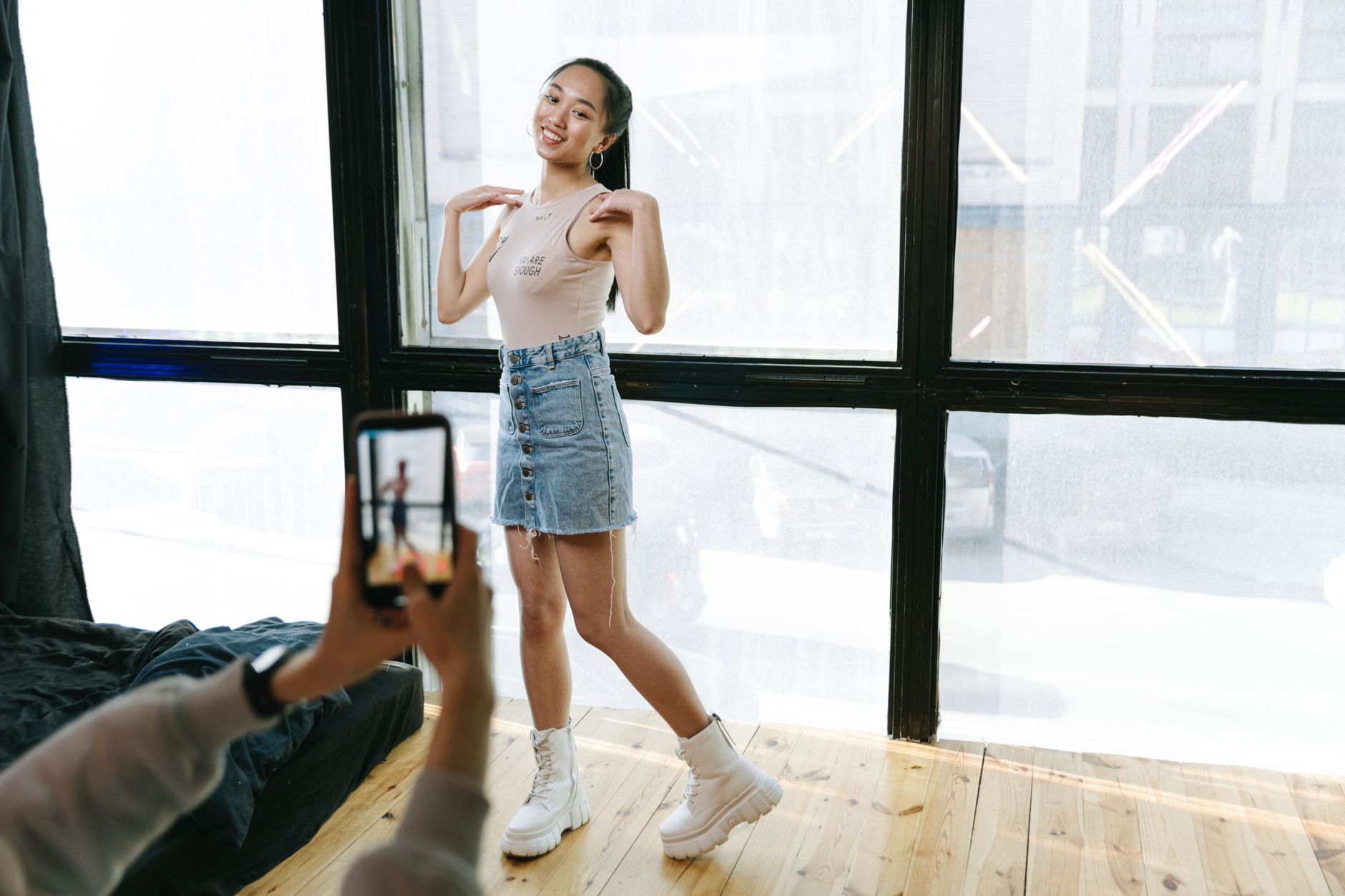
What Is TikTok Affiliate Marketing?
TikTok affiliate marketing is a performance-based model where creators use their TikTok channels to promote products in videos or livestreams and earn commissions from orders they generate. Unlike traditional affiliate programs that send traffic off-platform, everything happens inside the TikTok app—creators record demos and pin product links, viewers tap to purchase within TikTok, and conversion friction drops to near-zero. GMV Max ads creator economy social commerce content monetization gmv max ads tiktok shop tiktok shop
The results speak for themselves. TikTok Shop hit $23.4 billion in US GMV, with average commissions per sale ranging $12–$45 depending on category and tier. Tarte Cosmetics reportedly generated over $40 million in TikTok Shop revenue last year, with 88% coming from affiliate creators—not their own brand account or paid ads. This demonstrates that affiliate-driven commerce is now the dominant channel for forward-thinking brands.
For creator-led brands, the strategic advantage is clear: discovery commerce on TikTok happens naturally while users watch content. Creators introduce products to audiences who weren't actively searching, leading to more impulse purchases and viral product trends. TikTok Shop delivers 4.7% conversion rates on average versus 2–4% on traditional e-commerce, making it one of the most efficient channels for scaling GMV.
Creator Eligibility & Onboarding Requirements
Most creators must have at least 5,000 followers in the US market to unlock the affiliate feature. Newly onboarded creators enter a 30-day Early Stage Control Pilot Program with limited capabilities, including a maximum of three product promotion videos refreshed daily.
Additional requirements include:
- Recent engagement: 50+ video views in the last 28 days
- Identity verification through TikTok's official process
- Age 18+ and residence in a region where TikTok Shop operates (US, UK, Vietnam, Singapore, Thailand, among others)
Once approved as an affiliate creator, you can access the TikTok Shop Product Marketplace to discover and promote products, collaborate quickly with sellers, earn commissions from orders you generate using product showcases and videos, and qualify for campaigns with enhanced reach. If you're building a creator brand and exploring how to maximize paid traffic alongside organic affiliate efforts, understanding GMV Max and TikTok Shop Ads can unlock serious scale.
How TikTok Affiliate Commissions Work
Understanding the math behind TikTok affiliate marketing is essential for setting realistic expectations and budgeting properly. When a viewer buys a $50 product through a creator's affiliate link, the breakdown typically looks like this:
- TikTok takes its 6% transaction fee ($3)
- Brand's commission rate is set at 15% ($7.50)
- Creator receives $7.50 as commission
- Settlement happens every 14 days
However, the effective cost of sale is likely closer to 26.6% once you account for platform-funded subsidies, co-funded shipping service fees, and the non-refundable nature of commissions after the settlement window. Brands running affiliate programs at face-value 15% commission need to model true blended costs to avoid margin surprises.
Commission Rate Strategy by Category
Commission rates vary widely by vertical and collaboration type. Open Collaboration offers fixed commissions (10–15%), while Targeted Collaboration is invite-only with negotiable rates (18–50%+). Most successful programs run both simultaneously to balance volume and margin.
Typical commission benchmarks by category:
- Beauty & supplements: 15–25%
- Apparel & accessories: 10–20%
- Home goods: 12–18%
- Electronics: 5–10%
Creators benefit from a 30-day grace period locking in their original commission rate. If sellers raise rates, creators get the increase immediately. If rates drop, creators keep the original rate for 30 days with advance notification—offering downside protection during program adjustments.
Collaboration Models: Open vs. Targeted
Sellers work with creators through two primary models, each with distinct trade-offs.
Open Collaboration
Open Collaboration is a public marketplace where any eligible creator can browse your product catalog, add items to their showcase, and start promoting. Brands only pay when a sale is made, making it performance-based and risk-efficient. Commission rates are fixed and visible to all creators, typically 10–15%.
This model is ideal for:
- New brands looking to generate initial volume quickly
- Products with broad appeal and clear demo hooks
- Sellers who want to minimize upfront sample spend
Targeted Collaboration
Targeted Collaboration is invite-only. Sellers handpick creators, negotiate custom commission rates (often 18–50%+), and manage sample fulfillment directly. This model gives brands tighter control over messaging, creator fit, and campaign exclusivity.
Use Targeted Collaboration when:
- Your product requires expert explanation or niche positioning
- You want to build long-term ambassador relationships
- You're willing to invest in samples and higher commissions for quality over volume
Most successful programs run both models simultaneously: Open Collaboration for discovery and volume, Targeted for premium creators and strategic launches.
Content Formats & Performance Distribution
In the United States, short-form video content dominates TikTok Shop, contributing nearly 60% of total GMV share, with 30% from online stores and 10% from livestreaming. This distribution underscores the importance of optimizing for organic, scrollable content rather than relying solely on live sessions or storefronts.
How Creators Promote Products
Creators browse the Product Marketplace, filter by category and commission rate, add products to their showcase, and tag products directly in videos or pin during LIVE sessions—no external link generation required. The in-app flow is seamless: viewers tap a product tag, view the listing, and check out without leaving TikTok.
Top-performing content types include:
- Unboxing & first impressions: Authentic, unscripted reactions build trust
- Before/after transformations: Especially powerful in beauty, wellness, and home categories
- Comparison & recommendation videos: "I tested five mascaras—here's the winner"
- Lifestyle integration: Showing the product in everyday use rather than as a formal demo
Creators should post consistently—3–5 videos per week featuring affiliate products—to stay visible in the Product Marketplace rankings and maintain eligibility for platform-funded campaigns.
Seller Operations: Analytics, Samples & Scaling
Sellers manage affiliate programs through the TikTok Shop Seller Center. The platform provides an Affiliate Analytics dashboard showing per-creator GMV, conversion rate, content volume, and return rate—essential metrics for deciding which creators to upgrade from Open to Targeted plans.
Budgeting for Samples
Budget $500–$2,000 in product samples for your first 20–50 creators to seize initial volume. Prioritize creators with proven track records (check their TikTok Shop showcase for past partnerships), consistent posting cadence, and audience demographics that align with your brand.
Key Metrics to Monitor
- Creator conversion rate: Benchmark against category averages (3–7% is strong)
- Average order value (AOV): Higher AOV creators justify premium commission tiers
- Return rate: Spike in returns from a specific creator may signal audience mismatch or misleading content
- Content velocity: Creators posting 5+ videos/month drive 3x more GMV than sporadic posters
Sellers receive automatic commission payment when a sale is made, and payouts to creators settle every 14 days. Track your blended cost of sale weekly to ensure affiliate economics stay profitable as you scale.
Platform Availability & Regional Considerations
The TikTok Shop Seller Center and Affiliate Program are available in select countries, including the US, UK, Vietnam, Singapore, and Thailand. Availability and feature sets vary by region—US sellers have access to the most mature tooling, while newer markets may have limited creator pools or restricted product categories.
If you're operating multi-region, note that commissions, shipping policies, and transaction fees differ by market. Always verify local program terms before launching campaigns.
Common Pitfalls & How to Avoid Them
Setting Commission Rates Too Low
A 10% commission in a crowded category like apparel won't attract top creators. Benchmark against competitors in the Product Marketplace and aim for the 75th percentile to win creator attention.
Ignoring Creator Vetting
Not all followers are equal. Vet creators for engagement rate (>3%), audience authenticity (watch for bot spikes), and content quality before approving Targeted collaborations or sending high-value samples.
Underestimating True Cost of Sale
As noted earlier, a 15% headline commission often translates to 26%+ total cost when you layer in platform fees, subsidies, and non-refundable payouts. Model conservatively and leave margin for promotions, returns, and ad spend if you're running hybrid organic-paid strategies.
Failing to Refresh Product Mix
Creators lose interest when your catalog stagnates. Rotate hero SKUs monthly, launch limited drops, and give top affiliates early access to new releases to keep content fresh and engagement high.
Integrating TikTok Affiliate Marketing into Your Growth Stack
TikTok affiliate marketing works best when integrated with a broader commerce strategy. Pair organic affiliate content with TikTok Shop Ads to amplify top-performing creator videos, use Shopify for inventory and fulfillment sync, and layer in email capture (where permissible) to build owned audience segments.
If you're running a creator brand or managing affiliates at scale, working with a TikTok Shop agency can help you navigate creator onboarding, commission optimization, and campaign reporting without diverting internal resources from product and content development.
Last verified: January 2025
Sources
- Affiliate Marketing | TikTok Shop
- What You Need to Know before Becoming a TikTok Shop Creator
- How Affiliate commission works
- TikTok Shop affiliate: How to sell with creators in 2026
- TikTok Shop Affiliate Marketing 2026: Start, Scale & Earn
- TikTok Shop Affiliate Program: Proven Strategies to Grow Your eCommerce Business 2026
- How to Become a TikTok Shop Affiliate: Payouts, Commissions, and Content That Sells
- TikTok Shop Affiliate Program: Complete 2025 Guide
- TikTok Shop Affiliate Commission 2026: 15% Becomes 26.6%
- Seller Center | About open collaborations in Seller Center
- How TikTok Shop Affiliate Marketing Works for Brands and Creators